City culture · Kenya and Korea
Who gets the microphone? Karaoke in Nairobi and Seoul
In July 2016, a Nairobi restaurant advertised a Wednesday night of karaoke with three details a guest could act on. Rachael was hosting, the evening began at seven and anyone could walk in for free. A visitor looking up karaoke in Seoul might start with a different question. Who else will be in the room?
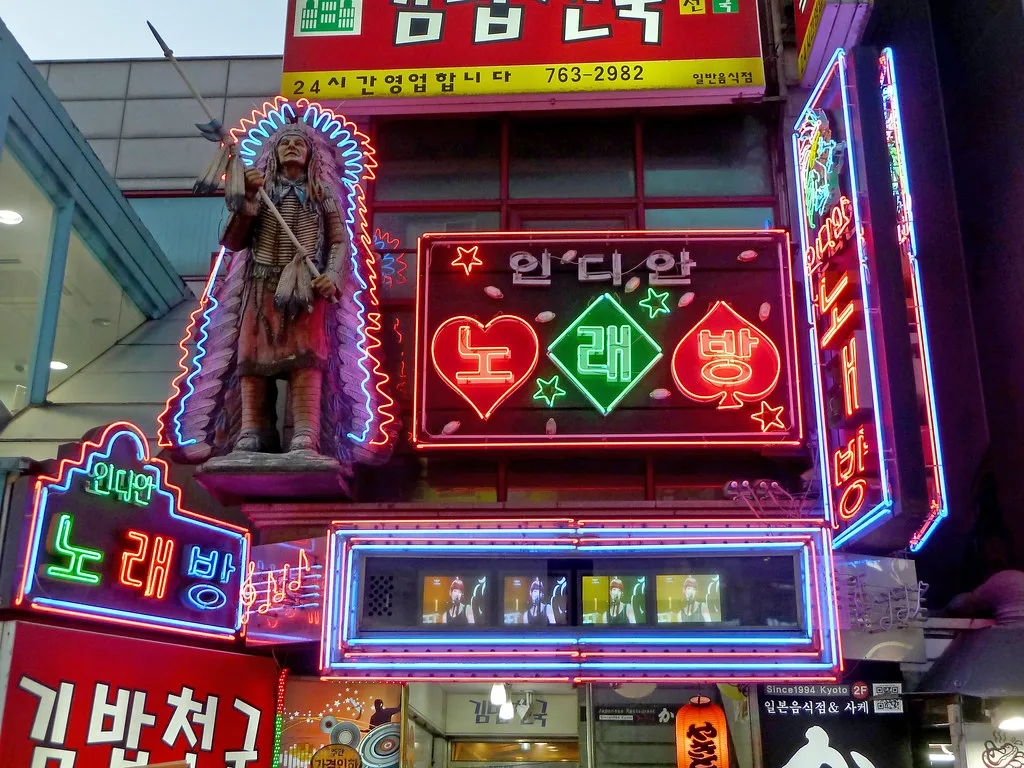
A hostcould be the reason to go
The restaurant was Road House Grill in Upper Hill. Its event notice in The Standard promised nyama choma, the grilled meat guests could eat while someone else took a turn. Free entry told a reader what it cost to join the audience. It left the bill for dinner open.
There was skilled work behind evenings like this. In a 2011 profile of Kenyan singer June Gachui, the same paper traced a working week across Nairobi venues. Gachui had hosted karaoke and open-mic sessions at The Cork. She also hosted live-band karaoke with musician Lawrence Mwai. A guest could get up and sing with working musicians, and someone who never touched the microphone still had a performance to come for.
A room with an audience on the pavement
At Su Noraebang in Hongdae, Seoul, groups sing in separate rooms. The Korea Tourism Organization’s account of the venue describes a detail that complicates the idea of a private evening. The rooms at the front have floor-to-ceiling windows. Friends inside choose the song and pass the microphone among themselves. People walking down Eoulmadang-ro can see the performance from the street.
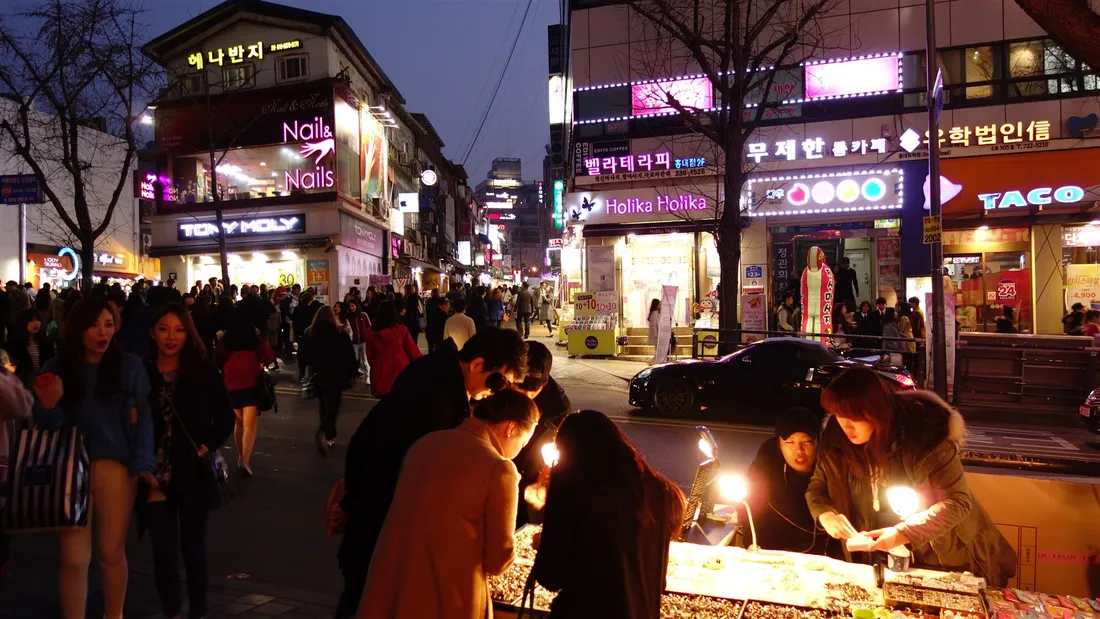

It makes a difference which invitation you send. For the Upper Hill night, a friend could turn up at seven and find the event by asking for Rachael. For an evening in a Seoul singing room, the useful message is the building, the booking name and whom to call when you arrive.
What a Gangnam booking actually quotes
Across the city in Gangnam, some private-room listings bundle drinks and services. One local guide to Gangnam karaoke venues, written in Korean, illustrates how to read such a quote. Its example starts with a ₩160,000 drinks set and adds two service charges labelled “TC” at ₩120,000 each. The resulting ₩400,000 is a subtotal. The guide lists the room charge and waiter tip separately. Dividing that first figure between two friends would give each of them a misleading budget.
There is a similar trap in the directions. The guide places both Dopamine and Elite near Seolleung Station. The first address is 38, Seolleung-ro 92-gil. The second is 16, Teheran-ro 70-gil. If you are arranging the evening, send the street address and ask for a total for your group and the time you plan to stay.
Read side by side, the notices answer different questions about the same pastime. The Nairobi listing preserves the name of the woman who made the evening happen. The Hongdae account tells you who can watch. The Gangnam price list tells you which parts of the evening someone will have to pay for.